
Photo by Nory Yamaguchi, Tokyo, Japan
Visit Photo Gallery
A lovely spring night
suddenly vanished while
we viewed cherry blossoms
Haiku by Basho
Cherry blossom season in Japan is a treasured tradition that blends natural beauty with cultural depth.
Hanami — "flower viewing" — is more than just admiring blossoms; it's about slowing down, celebrating renewal, and appreciating fleeting beauty with colleagues, friends, and family.
But hanami reveals something deeper about Japanese culture: the concept of mono no aware — the bittersweet awareness of transience. The cherry blossoms bloom spectacularly for just one or two weeks every spring before falling, and it's precisely this impermanence that makes them so treasured.
The Season and Its Timing
Hanami season typically runs from late March through early May, moving northward across Japan as temperatures rise. The sakura zensen (cherry blossom front) is tracked with the precision of a weather system, and the Japan Meteorological Agency issues official bloom forecasts that entire regions plan around.
Timing matters enormously. The blossoms peak for only 3–5 days before beginning to fall, creating a narrow window when hanami gatherings reach their height. Companies, families, and communities all race to secure prime viewing spots during these precious few days.
Business impact: Many Japanese companies adjust work schedules around hanami season, allowing employees flexible hours or designated days for hanami gatherings. International business travelers should be aware that this is not merely a "nice tradition" — it's a period when availability may be reduced and social expectations shift toward participation in these gatherings.
Why Cherry Blossoms?
Cherry blossoms weren't always Japan's national symbol. In the Heian period (794-1185), plum blossoms held that honor. But during the samurai era, cherry blossoms became associated with the warrior class — their brief, beautiful bloom before falling mirrored the samurai ideal of living fully and accepting mortality with grace.
This symbolism runs deep in Japanese culture
Mono no aware
The poignant awareness that beauty is fleeting. Cherry blossoms embody this perfectly — their brief bloom makes them more precious, not less. This cultural concept influences everything from art and literature to business philosophy and decision-making.
Renewal and new beginnings
Hanami season coincides with the start of Japan's fiscal and school year (April 1). The blossoms symbolize fresh starts, new opportunities, and the cyclical nature of life and work.
Collective experience
Unlike many Western traditions that emphasize individual contemplation of nature, hanami is fundamentally communal. You view cherry blossoms together — reinforcing the Japanese cultural values of group harmony and
Hanami in the Workplace
Companies throughout Japan host hanami gatherings not as optional social events, but as important workplace rituals. Understanding the role hanami plays in Japanese business culture helps explain why these gatherings matter far beyond "enjoying nice weather."
For Western business professionals: If you're invited to a hanami gathering by Japanese colleagues or clients, accept. This is relationship-building disguised as flower viewing. Your presence signals respect for cultural traditions and openness to deeper partnership.
What to Expect at a Hanami Gathering
The Setting
Popular hanami spots in major cities (Ueno Park in Tokyo, Maruyama Park in Kyoto) fill with groups claiming spaces early in the day. Blue tarps mark territories where groups will gather for hours, eating, drinking, and celebrating beneath the blooms.
Food and Drink
Hanami means bento boxes, sake, beer, and seasonal treats. Companies often provide food, but contributing
a dish or drinks (if appropriate to your role) is appreciated. Seasonal items like sakura mochi (cherry blossom-flavored rice cakes) or hanami dango (sweet dumplings) are traditional.
Alcohol note: Drinking is common at evening hanami gatherings. The relaxed atmosphere makes this one of
the few times public drinking is not only accepted but encouraged. However, maintain awareness of your behavior — even in informal settings, Japanese business culture values composure.
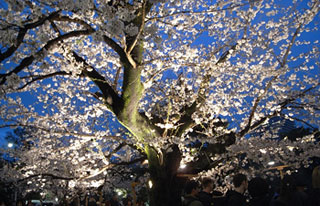
Yozakura: Night Blossom Viewing
Many parks illuminate cherry trees after dark, creating yozakura (night cherry blossoms). This adds another dimension to hanami — the blossoms take on an ethereal quality under lights, and the atmosphere becomes even more celebratory.
Evening hanami gatherings tend to be louder and more festive than daytime viewing. If you're attending an evening corporate hanami, expect it to blend into a longer social occasion that may extend to nearby izakayas (Japanese-style pubs).
Hanami and Japanese Business Culture
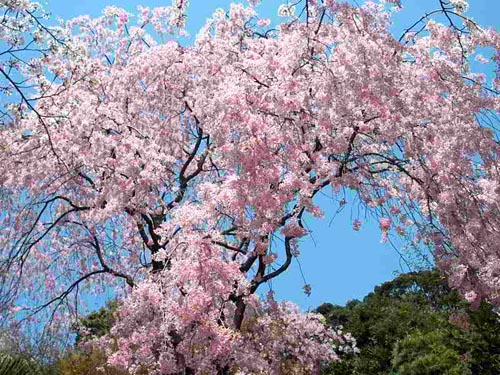
Preparation and timing
Just as hanami requires careful planning around unpredictable bloom dates,
Japanese business culture values thorough preparation and attention to timing. Opportunities, like cherry blossoms, have narrow windows.
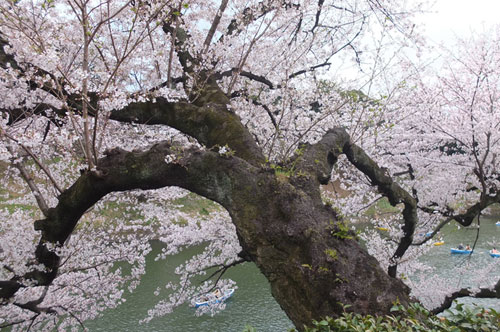
Collective experience over individual achievement
Hanami is fundamentally about shared experience. Similarly, Japanese workplace culture emphasizes group success over individual stardom. Decisions are made collectively, credit is shared, and harmony is maintained.
Accepting impermanence
The cherry blossoms' brief bloom teaches acceptance of transience. In business, this translates to adaptability, resilience in the face of change, and the understanding that no success or failure is permanent.

Ritual and tradition matter
Its persistence reveals how Japanese culture values tradition, ritual, and the repetition of meaningful practices. In business, this shows up as respect for established processes, careful maintenance of relationships, and honoring of past commitments.

Beauty and efficiency coexist
Hanami demonstrates that the Japanese don't see beauty and productivity as opposing forces. Taking time to appreciate cherry blossoms isn't frivolous —
it's essential for maintaining human connection, renewing energy, and remembering what you're working toward.
“If I were asked to explain the Japanese spirit, I would say it is wild cherry blossoms glowing in the morning sun!”
– Motoori Norinaga