
The drum speaks first.
A single beat.
Paddlers snap into motion. Dragon boats surge forward — flashes of color, muscle, and collective will cutting through the water. Dozens of crews racing side by side, the crowd roaring as if the river itself has come alive.
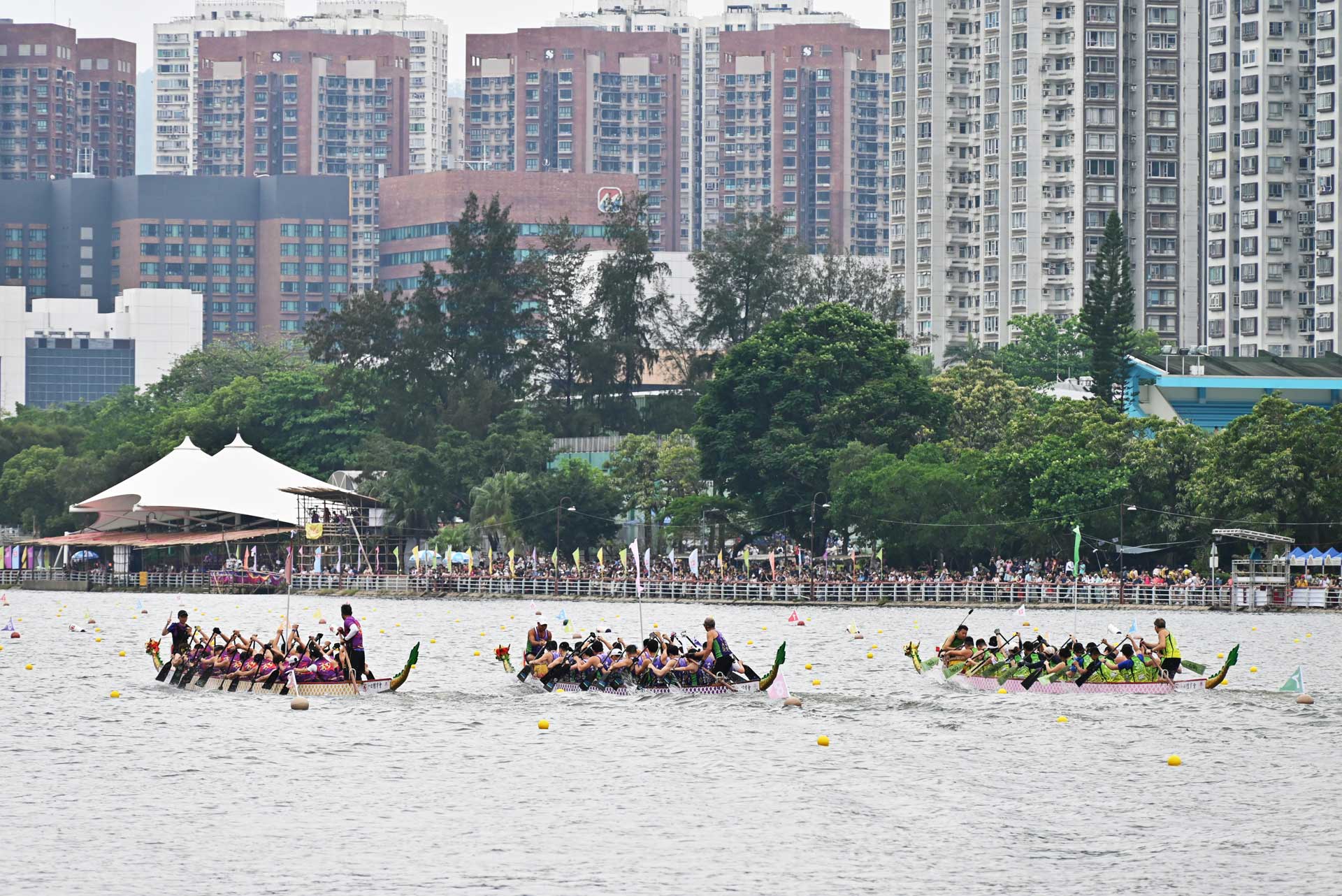
On May 31st, this scene will unfold across Asia — from Hong Kong’s Shing Mun River to Singapore’s Marina Bay to the waterways of Vietnam. The Dragon Boat Festival is one of Asia’s oldest and most enduring celebrations — a race powered by a story that stretches back more than two thousand years.
The History Behind the Race
The story begins not with a race, but with a poet.
Qu Yuan — statesman, exile, truth teller — walked into the Miluo River in 278 BCE after learning his kingdom had fallen. Villagers rushed to their boats, beating drums to scare the fish, throwing rice to honor his spirit, searching for a man they could not save.
What began as grief became ritual. What became ritual became tradition. The dragon boat was never just a boat, and the race was never just a race. It carried forward a story of loyalty and loss that communities kept alive for more than two thousand years.
From a single river in ancient China, the dragon boat found its way across an entire continent — carried not by conquest, but by people, trade, and the quiet persistence of cultural memory.
How Culture Travels
Today, the Dragon Boat Festival moves through Asia in ways that reflect each place’s rhythm, identity, and cultural priorities.
In Hong Kong, the races are fast, loud, and fiercely competitive — a city that channels its intensity into precision, teamwork, and speed.
In Singapore, the festival takes on a more civic and multicultural character, with corporate teams, community groups, and universities racing side by side.
In Vietnam, the festival carries a quieter, more local rhythm, rooted in community pride and ancestral remembrance.
Each place expresses the festival differently. Each place carries the same story forward.
Culture doesn’t survive because it stays the same; it survives because people carry it forward, reshaping it in ways that allow it to endure across generations.
Culture doesn’t stop at regional borders.
It follows people. It anchors identity.
That’s why dragon boat racing didn’t remain an Asian tradition. It moved with migrants, students, workers, and families who carried it with them — not as nostalgia, but as a way to stay connected to home and to pass something meaningful to the next generation.
You can see this clearly in the San Francisco Bay Area, where the annual festival at Treasure Island has become a vibrant expression of the tradition. Vancouver hosts one of the largest festivals outside Asia, and across Europe the sport has taken root in places with no historical ties to it at all — a reminder that culture travels far and wide when people do.