
“The Story of China is the Story of Food”
— BBC Documentary
A Cuisine Shaped by Thousands of Years
China’s cuisine is the product of one of the world’s oldest continuous civilizations — thousands of years of farming, migration, dynasty, philosophy, and daily ritual layered on top of one another. Over time, these forces shaped not just what people eat, but how they think about balance, harmony, and the role of food in family and community life.
Across this long history, China developed a culinary system that reflects its cultural values. The Five Flavors — sweet, sour, bitter, salty, and umami — became the foundation for how dishes are built and how balance is achieved. The idea of yin and yang shaped everything from ingredients to cooking methods, reinforcing the belief that opposites can complement each other and create harmony.
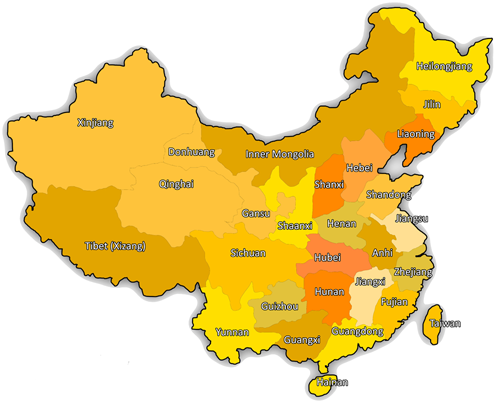
This long evolution produced a cuisine that is both unified and deeply regional. China is not one flavor profile; it is a landscape of distinct culinary identities shaped by climate, geography, and local culture. These regional traditions — later known as the Eight Great Cuisines — offer a window into how people in different parts of China live, work, and relate to the world around them.
China’s Eight Cuisines
China is often spoken of as one culture, but its food tells a different story. Across this vast country, climate, geography, and local history have shaped distinct regional identities — each with its own flavors, ingredients, and ways of thinking about food. These traditions, known as the Eight Great Cuisines, form a cultural map as much as a culinary one.
Sichuan is bold and aromatic, shaped by humid heat and a love of spice that wakes up the palate.
Cantonese cuisine values freshness, clarity, and technique — a reflection of coastal trade routes and a long history of refinement.
Shandong brings northern strength: wheat, seafood, and hearty flavors rooted in imperial kitchens.
Jiangsu is elegant and precise, known for delicate textures and dishes that balance richness with lightness.
Zhejiang offers soft, coastal flavors shaped by rivers, lakes, and a gentle climate.
Fujian is built on broths and seafood, influenced by mountains, migration, and maritime trade.
Hunan delivers earthy heat — a landlocked cousin to Sichuan with its own fiery personality.
Anhui draws from forests and mountains, using wild herbs and rustic techniques that reflect its landscape.
The Five Flavors: Balance at the Center of Chinese Cuisine
In Chinese cuisine, the Five Flavors — sweet, sour, bitter, salty, and umami — represent the importance of balance. A dish is considered complete when these flavors are in proportion, creating a sense of stability rather than allowing any one element to dominate. Chinese cuisine is a reflection of this belief that balance is essential to achieving a coherent whole.
Yin and Yang: Harmony Through Interconnected Opposites
Yin and yang is a foundational Chinese concept describing how opposite forces are interconnected, interdependent, and meant to balance one another. Rather than seeing opposites as competing, Chinese culture views them as complementary parts of a unified whole. Chinese cuisine is a reflection of this belief that harmony comes from keeping opposing elements in balance.
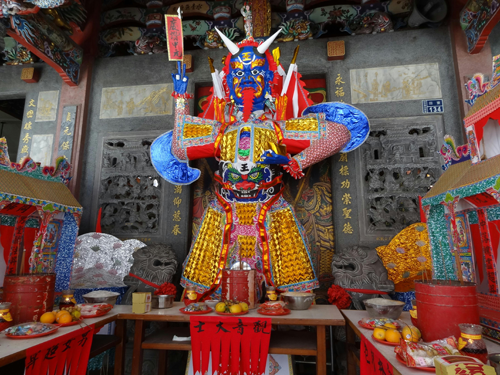
The Kitchen God: The Spirit of the Family Kitchen
The Kitchen God, or Zao Jun, is a traditional figure placed above the stove to watch over the home. According to custom, he observes the family throughout the year and, just before the Lunar New Year, delivers his report to the Jade Emperor on the household’s conduct and fortune.
Some families once offered him sweet treats to encourage a favorable account, but today the ritual is largely symbolic. What endures is the message behind it: the kitchen is the center of the home.
For anyone doing business in China, it is important to understand that food isn't just nourishment — it a guide to regional identity, local values, and the diversity within China itself.
The Competitive Advantage
Learning about a culture's cuisine is one of the most direct ways to signal respect and build relationships. The connection between dining and business is proven time and time again.