
What does a culture's cuisine have to do with global competitive advantage?
More than most people realize.
Decoding Culture Through Cuisine
Food is profoundly more than mere sustenance; it’s a powerful lens through which we can explore and understand the rich tapestry of human cultures.
Every dish tells a story, every ingredient carries history, and every culinary tradition reflects the unique identity of its people.
"Tell me what you eat, and I will tell you who you are."
"Dis-moi ce que tu manges, je te dirai ce que tu es."
— Jean Anthelme Brillat-Savarin, The Physiology of Taste, 1825
This maxim has endured for generations because cuisine is one of the most revealing cultural storytellers. Cuisine is a mirror of culture, often revealing deep insights into a culture’s social values, history, and way of life.
It is a culture's unfiltered autobiography.
Cuisine — from the French — refers not just to food, but to the kitchen, the method of cooking, the tools, the techniques, and the rituals of sharing food.
The Ultimate Cultural Intelligence Tool
Understanding a culture's cuisine is a core pillar of Cultural Intelligence.
To truly understand a society, look at what comforts them, what sustains them, and what brings them together.
The invisible rules of a culture—how they communicate, build trust, and navigate relationships—are practiced and passed down through the daily act of dining.
The Practical Application
In real cross-cultural work, cuisine shows up in the moments that matter:
- The high-stakes welcome dinner.
- The unique opportunity to host international partners.
- The critical small talk that opens a meeting and sets the tone.
Our Understanding a Culture Through Its Cuisine series explores cuisine as Cultural Intelligence. It is a way to understand the deeper logic that shapes how people think, relate, and make meaning across cultures.
And, why those patterns matter for anyone operating across borders.
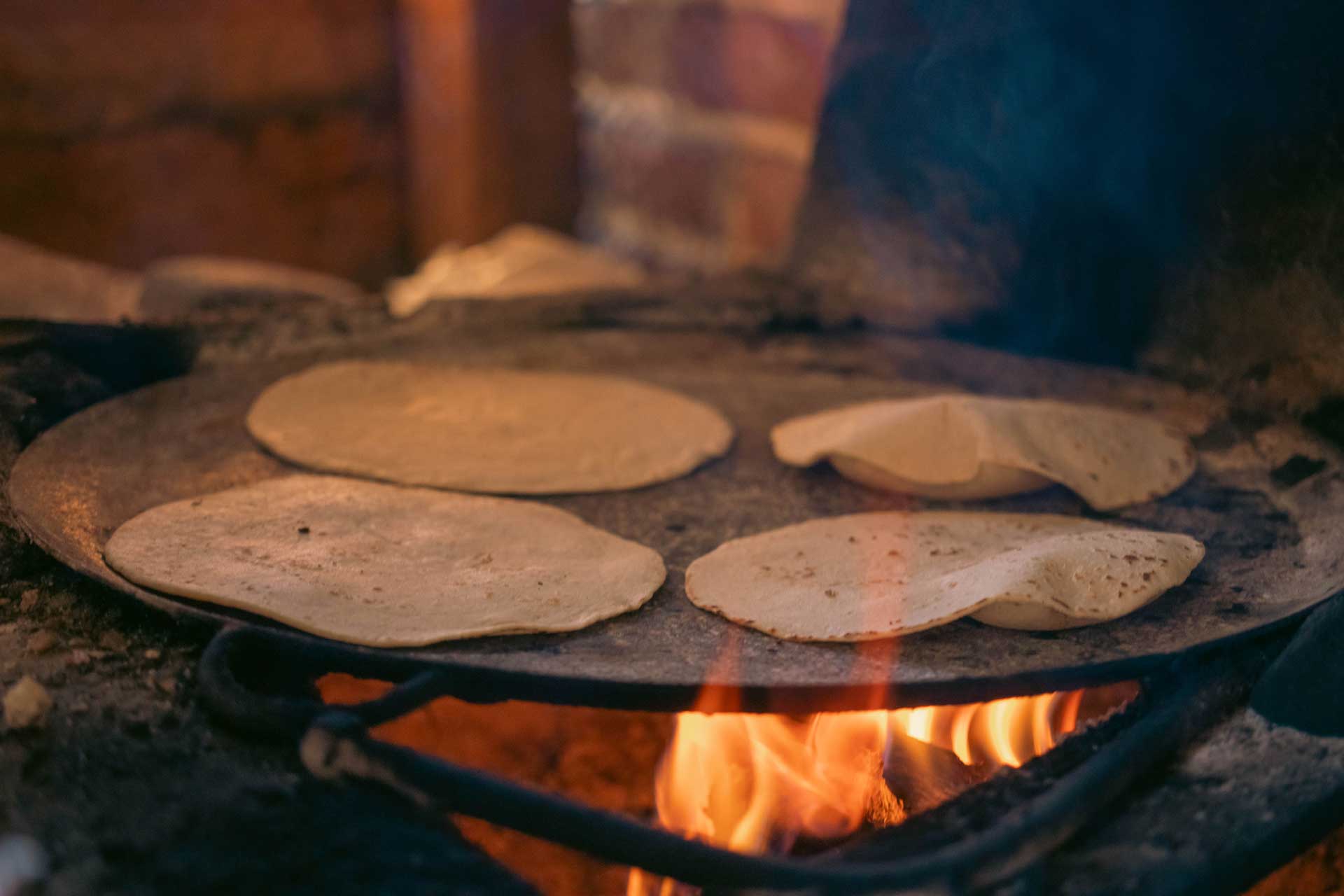
Mexican Cuisine: From Sacred Corn to the Global Table
Long before the first Spanish ship crossed the Atlantic, the foundations of Mexican cuisine were already ancient.
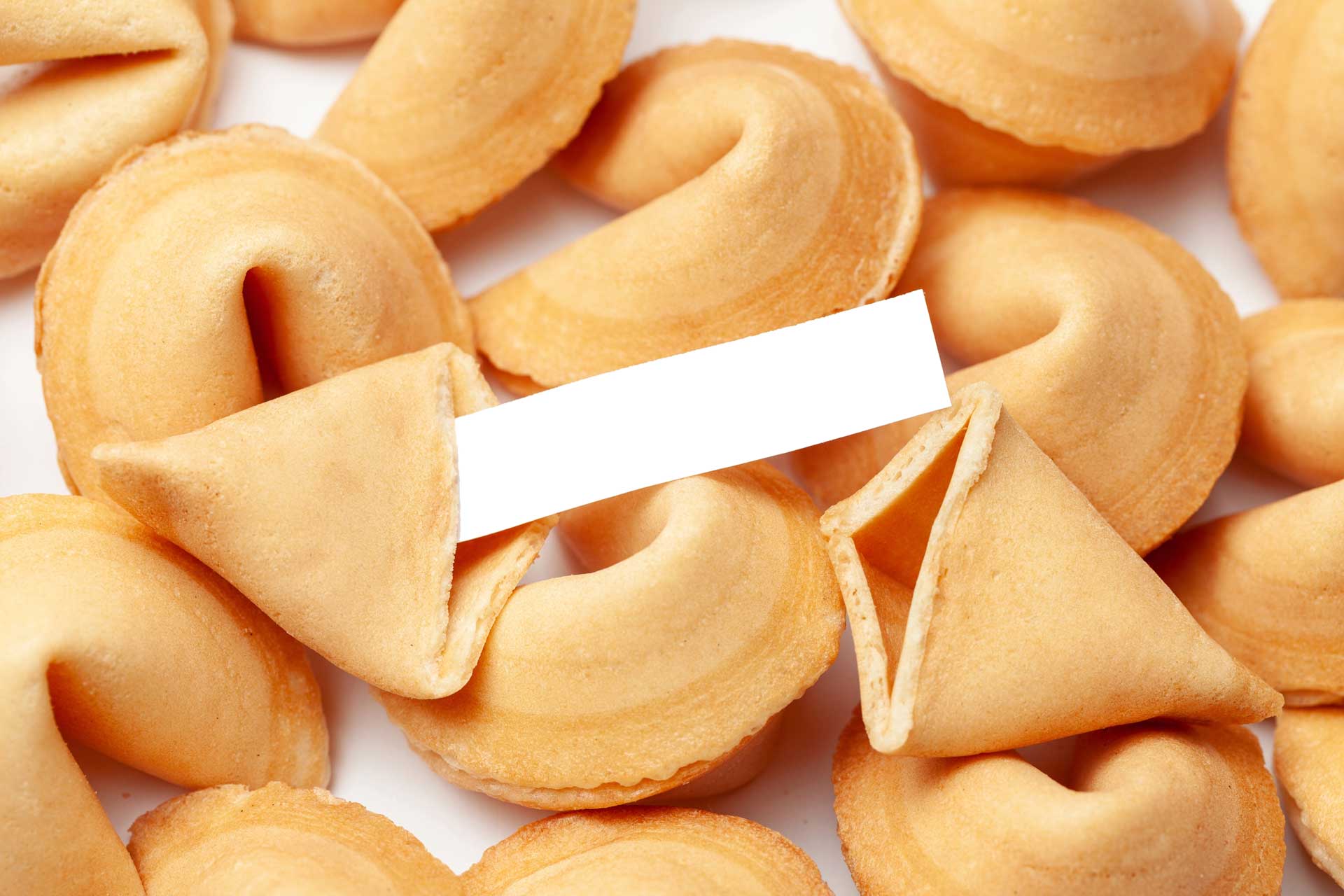
The Fortune Cookie: Crack Open the Mystery
Long before the golden, vanilla‑scented cookies appeared in San Francisco, bakers in 19th‑century Kyoto were crafting a savory cracker called tsujiura senbei.
Chinese Cuisine: A Mosaic of History, Ritual, and Flavor
China developed a culinary system that reflects its cultural values — balance and harmony through interconnected opposites.
Vietnamese Cuisine: Where Aromatics, Heat, and Harmony Meet
A cuisine shaped by history, geography, and resilience — balancing brightness, herbs, and heat in a way that mirrors Vietnam’s cultural dualities.
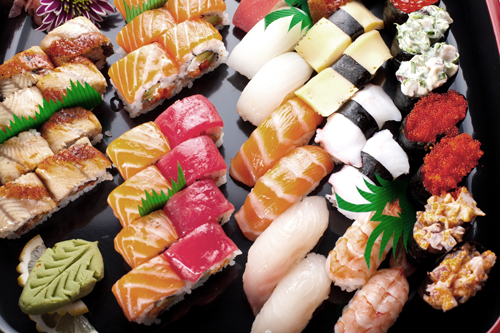
Sushi - A Cultural Exploration
It is a cultural experience, an art form, and a social ritual. In every detail — from chef to plate — sushi embodies artistry and tradition.
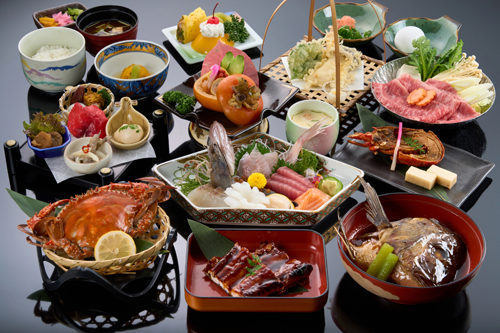
Japanese Cuisine: A Cultural Journey
LA cuisine where simplicity is the highest form of mastery — revealing Japan’s deep commitment to balance, seasonality, and respect for craft.
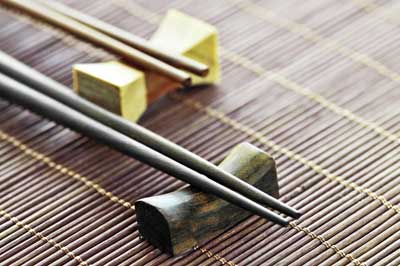
The Cultural Story Behind Chopsticks
Chopsticks — an everyday utensil shaped by 4,000 years of cultural evolution — much more than a dining tool.