Every culture runs on its own operating system.
Beneath every world region lies a mosaic of distinct cultural operating systems.
Broad regional maps set the stage — but true insight requires the curiosity to look beneath the surface.
Navigating global cultures isn't about memorizing do's and don'ts; it's about understanding a culture’s core values and social norms — the dynamics that shape how people think, build trust, and work together.
Explore the mosaic of global operating systems.
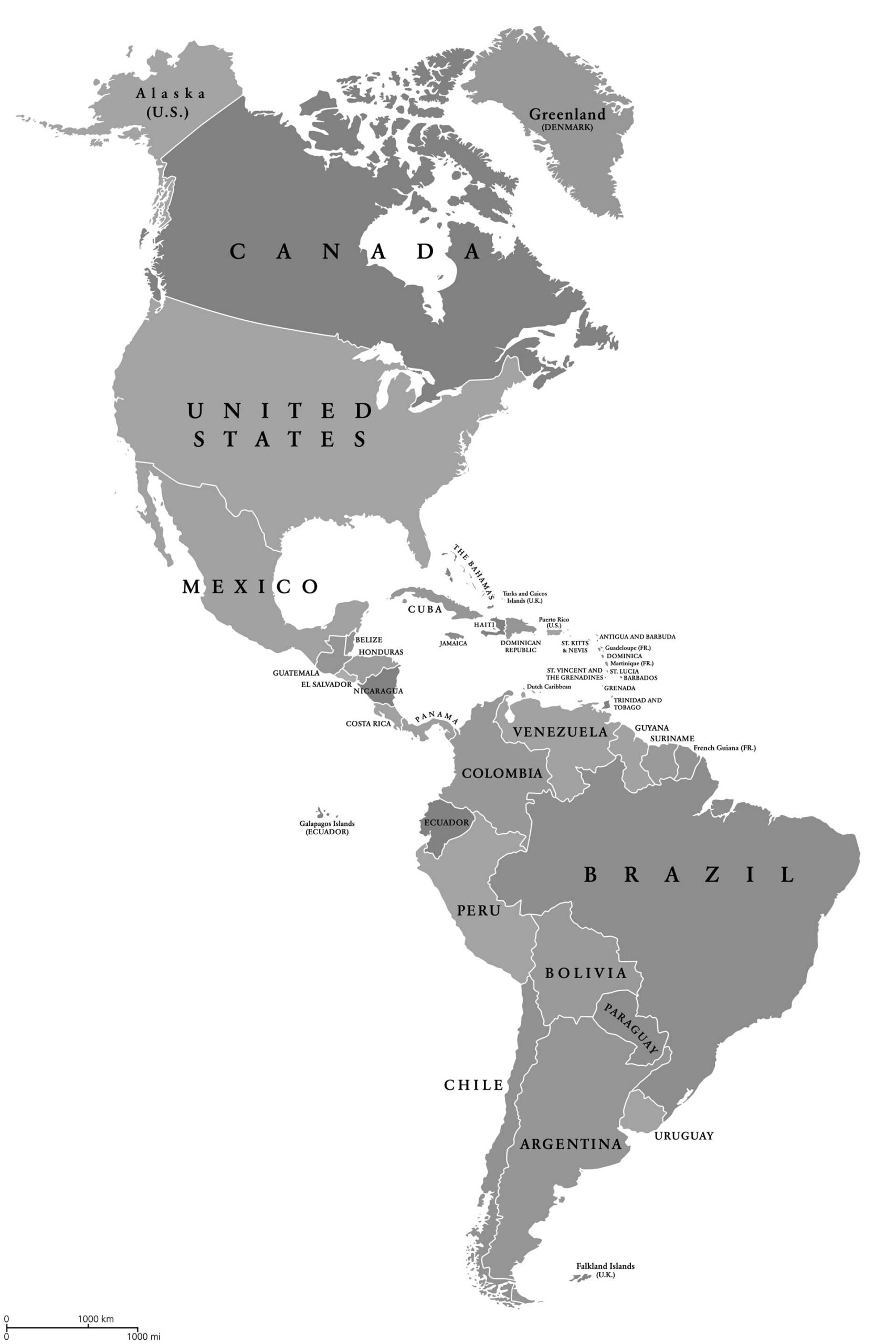
The Americas don’t share a cultural operating system — only a hemisphere. Geography suggests continuity. Culture reveals contrast.
North America runs on transactional efficiency: speed, decisions, results. Latin America runs on relationships first: trust built through time, connection, and personal credibility.
The distance is far greater than the map suggests.
Geographic proximity masks profound cultural variation. Shared frameworks and integrated markets create the illusion of unity, yet how business gets done remains distinct across every border.
Northern directness contrasts with Southern relationship‑building. Process‑driven precision balances against diplomatic nuance. Egalitarian norms sit alongside deep‑rooted hierarchy.
Look past the integrated economy and navigate the cultural contrasts beneath it.
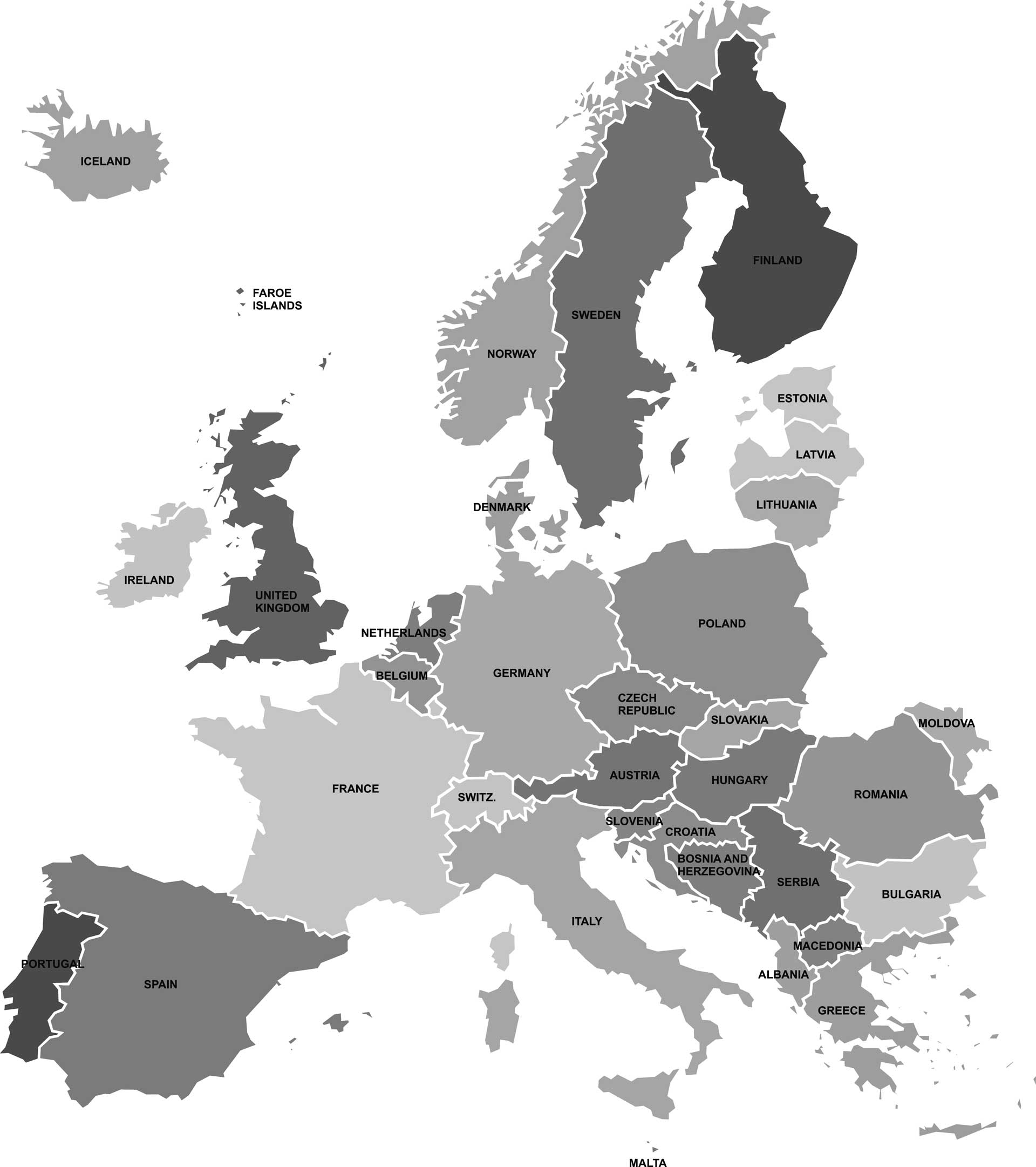
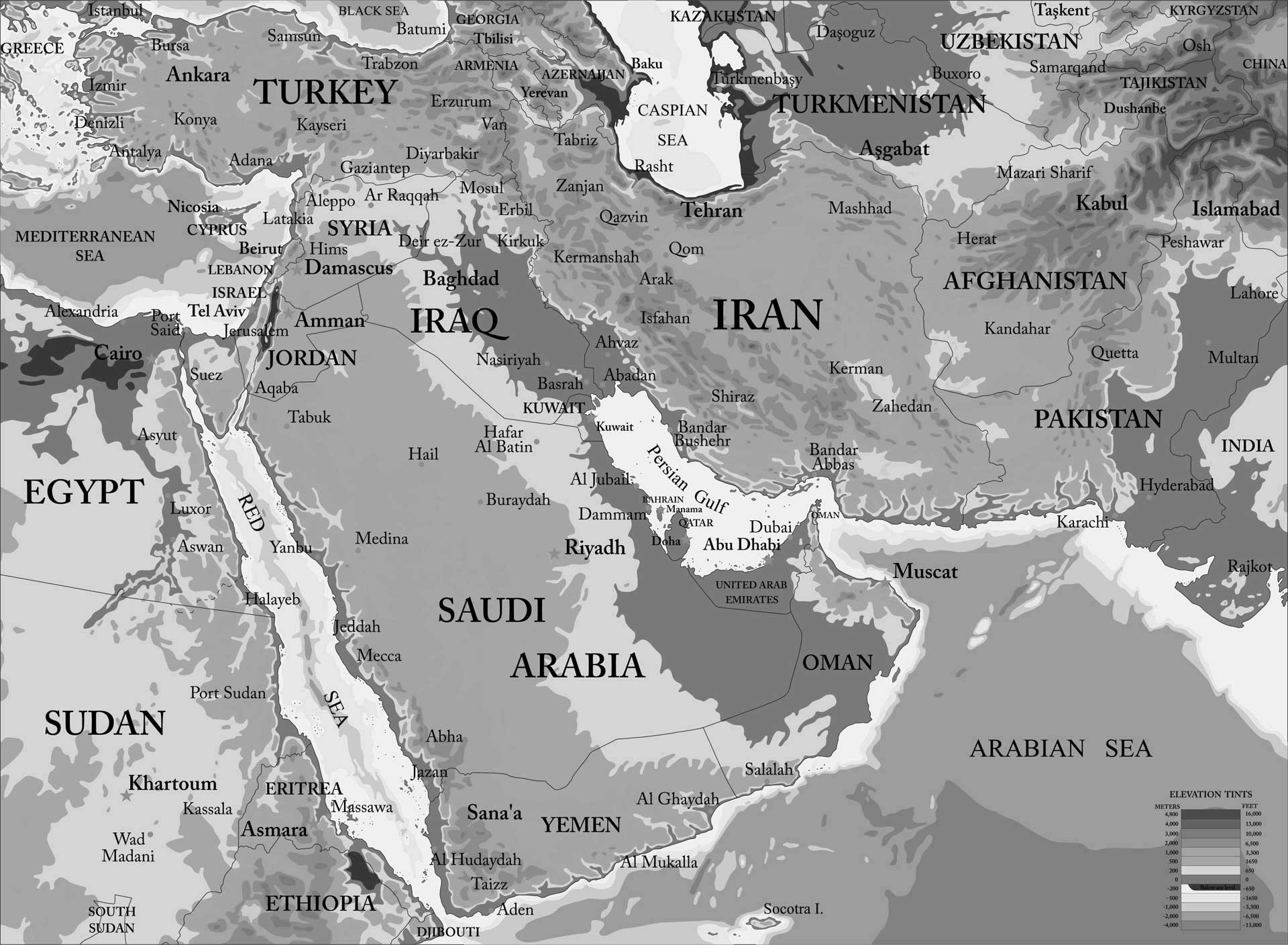
The Middle East spans significant economic and cultural diversity, yet relationships, networks, hierarchy, and respect define the region’s common threads.
From relationship‑first Gulf markets to more transactional, innovation‑driven economies such as Israel, decision‑making styles, timelines, and expectations vary widely.
Each market requires its own approach.
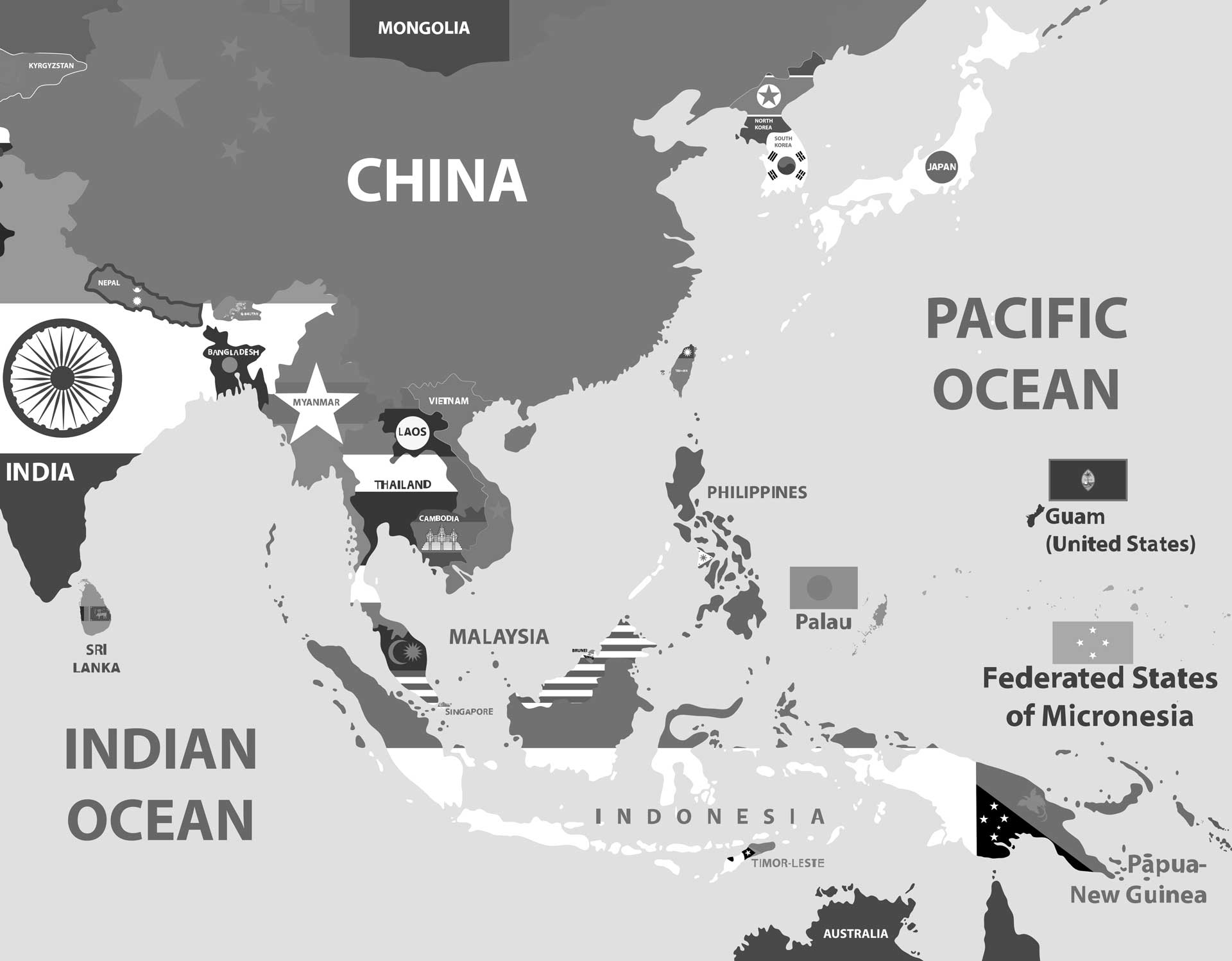
Across much of Asia‑Pacific, Confucian principles shape how people relate, communicate, and do business: hierarchy, harmony, face, and relationships built on trust before transactions. But this shared influence does not mean the region operates as one cultural block. Each market expresses these principles differently — shaped by its own history, language, and social logic.
India stands distinct — a cultural mosaic shaped by Hindu and Buddhist traditions, layered with centuries of outside influence. One of the world’s most heterogeneous cultures.
Understanding the region begins with recognizing both the common threads and the profound differences within it.
Contact Us
Cultural Savvy Insights