
China | What’s New | Explore Global Celebrations | View Our Site Guide
Origins and Core Principles
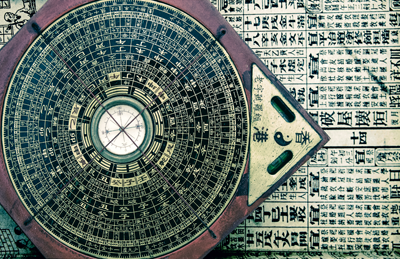
Feng Shui emerged more than three thousand years ago within Taoist cosmology. It is guided by the dynamic balance of yin and yang, the interaction of the five elements (wu xing) — wood, fire, earth, metal, and water — and the flow of qi, the life force. Originally used to locate sacred sites, the practice expanded to architecture and city planning, influencing everything from the Forbidden City to the placement of rural homes.
Modern Practice and Global Adaptation
Today Feng Shui continues to influence design across Asia and beyond. Skylines in Hong Kong and Singapore feature buildings with “dragon gates” — openings that allow energy to pass freely between mountain and sea. When Hong Kong Disneyland was constructed, consultants adjusted the park’s entrance, orientation, and train station position to ensure auspicious energy flow. Multinational corporations often invite Feng Shui masters to advise on office layouts, believing that spatial harmony supports creativity, health, and prosperity.
Even in the West, concepts like biophilic design and environmental psychology echo these same principles: good design balances movement and stillness, light and shadow, flow and focus.
Polarity: Tradition vs Evidence
The debate around Feng Shui reflects a broader tension between cultural belief and empirical validation. Critics dismiss it as pseudoscience, noting the lack of quantifiable results. Supporters counter that its value lies not in measurement but in mindfulness — a design philosophy that anticipates how space shapes human emotion, attention, and productivity. Even when stripped of mysticism, its core ideas align with modern disciplines such as environmental psychology and sustainable architecture.
Cultural Parallels: The Universal Quest for Harmony
Across cultures, people have sought ways to align space, spirit, and society:
- India – Vastu Shastra: The ancient architectural science aligning homes and temples with cosmic energy. Balances the five elements — earth, water, fire, air, and space — to promote harmony and prosperity.
- Japan – Fūsui: The Japanese adaptation of Feng Shui, emphasizing natural light, airflow, and harmony with surroundings. Often linked with avoiding the inauspicious “demon gate” (northeast) direction.
- Korea – Pungsu-jiri: A geomantic system that determines auspicious sites for homes, graves, and cities. Ideal locations are sheltered by mountains and face water, symbolizing protection and vitality.
- Europe – Sacred Geometry: Medieval architects aligned cathedrals and monuments to solar cycles and divine proportions. The design reflected an aspiration to connect human creation with cosmic order.
- Islamic World – Baraka and Blessing: Architecture channels spiritual energy through balanced courtyards, domes, and flowing water. These design elements evoke purity, peace, and divine presence.
- Latin America – House Blessings: New homes and offices are consecrated with candles, incense, or holy water. These rituals combine indigenous customs and Christian faith to invite harmony and protection.
- North America – Smudging: A sacred cleansing practice among Indigenous peoples using sage, cedar, or sweetgrass. The ritual purifies space, restores balance, and honors the connection between spirit and environment.
Whether through geometry, prayer, or compass, these practices reflect a shared belief: environments are never neutral — they influence how people think, connect, and create.
Modern Practice and Global Examples
From city planning to corporate design, the principles of Feng Shui have influenced architecture across continents. While some applications are symbolic, others reflect a deep respect for how form, flow, and orientation affect both energy and experience.
- HSBC Headquarters, Hong Kong: Designed by Norman + Partners, the building features an open atrium for the free flow of qi. Two bronze guardian lions protect the entrance, and rooftop structures redirect energy from nearby buildings — including the angular Bank of China Tower.
- City Hall, London (UK): Its rounded, forward-leaning form reduces direct sunlight and resembles stacked coins — a traditional symbol of prosperity. In Feng Shui terms, it represents the metal element, ideal for a civic institution.
- Burj Al Arab, Dubai (U.A.E.): Shaped like a sail and surrounded by water, this hotel embodies the wood element supported by its water environment — a design said to enhance growth and prosperity.
- Kingdom Centre, Riyadh (Saudi Arabia): The skyscraper’s geometric “void” reflects balance between fire and earth energy, blending regional symbolism with global aesthetics.
- Sydney Opera House, Australia: Though not explicitly designed using Feng Shui, its waterfront orientation, organic flow, and reverence for natural light create a powerful sense of harmony between structure and setting.
These examples demonstrate that Feng Shui is not confined to one culture — it is a universal dialogue between people and place. Whether guiding a family home or shaping a skyline, the pursuit of harmony continues to inspire modern design worldwide.
Business Insight: Designing with Cultural Intelligence
Across the world, traditions like Feng Shui — and their cultural counterparts — reflect how people interpret and interact with their surroundings. They shape beliefs about balance, energy, and well-being — influencing how spaces are designed, decisions are made, and relationships are formed. For global companies, understanding these perspectives isn’t about superstition; it’s about recognizing the values that quietly guide human behavior across cultures.
Culturally intelligent leaders recognize that spaces tell stories — and that successful design aligns not just with function, but with meaning. Whether opening an office in Shanghai or a branch in Mexico City, acknowledging how people connect space with success is both good manners and good business.
“Harmony isn’t a trend — it’s a timeless strategy.”
HOME | SERVICES | CULTURAL INTELLIGENCE | EXPLORE CULTURES | INSIGHTS | ABOUT | CONTACT
Email Us | www.culturalsavvy.com | ©1999–2025 Cultural Savvy. All Rights Reserved. Terms of Use