
Japan | Explore Global Celebrations | View Our Site Guide
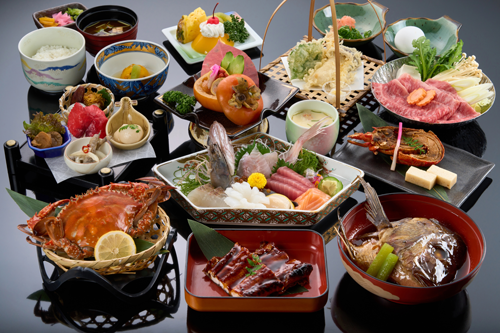
Washoku and Seasonal Harmony
Washoku — the traditional cuisine of Japan — is deeply woven into the fabric of Japanese culture. In 2013, it was recognized by UNESCO as an Intangible Cultural Heritage, not just for its ingredients or recipes, but for the values it represents: harmony with nature, visual balance, and the spirit of hospitality. Washoku reflects a way of life — one that honors seasonal rhythms, aesthetic presentation, and mindful eating.
Two key concepts offer a window into the structure and philosophy behind washoku:
Ichiju-sansai (一汁三菜) – One Soup, Three Dishes
This classic meal structure includes a bowl of rice, a bowl of soup (often miso), and three side dishes: one main dish (typically fish or meat) and two vegetable-based sides. It’s a framework designed for nutritional balance, incorporating carbohydrates, protein, fiber, vitamins, and minerals — all within a harmonious and visually pleasing spread.
Shun (旬) – Seasonal Eating
The concept of shun emphasizes using ingredients at their seasonal peak — when flavors are richest and freshness is highest. Celebrating the natural bounty of each season, shun promotes sustainability, reduces waste, and reinforces Japan’s deep cultural connection to the natural world.
Foundations of Japanese Cuisine
At the heart of Japanese culinary philosophy lies the concept of the Three Fives: five flavors, five colors, and five cooking methods. Rooted in yin-yang principles and traditional health beliefs, this framework ensures not only nutritional balance, but visual appeal, seasonal relevance, and cultural meaning.
Five Flavors (Gomi): Sweet, sour, salty, bitter, and umami — the foundation of taste in washoku. Umami, often derived from dashi, miso, or fermented foods, provides a deep savoriness that brings subtle harmony to dishes.
Five Colors (Goshoku): Red, green, yellow, white, and black — chosen not just for contrast but to encourage the use of a variety of vegetables, grains, and proteins. These colors reflect seasonal ingredients and enhance the visual presentation of each meal.
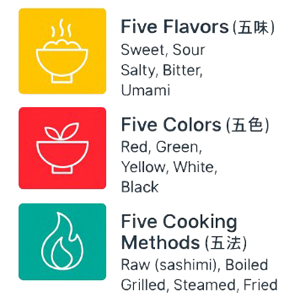
Five Cooking Methods (Goho): Raw, boiled, grilled, steamed, and fried — each offering distinct textures, nutritional benefits, and cooking energies. A balanced meal often incorporates multiple techniques to stimulate the palate and showcase ingredients at their best.
Umami and the Science of Flavor
While the Western palate traditionally recognizes four tastes — sweet, sour, salty, and bitter — Japanese cuisine introduced the world to a fifth: umami. Often translated as “savory” or “pleasantly meaty,” umami is the taste that gives depth and satisfaction to foods like dashi broth, soy sauce, mushrooms, aged cheeses, and miso.
The term was coined in 1908 by Japanese scientist Kikunae Ikeda, who discovered that glutamates — naturally occurring amino acids — were responsible for this rich, lingering flavor. His research led to a global understanding of umami as a distinct taste sensation, now accepted as one of the five basic tastes worldwide.
In traditional Japanese cooking, umami is not an overpowering element but one that enhances and harmonizes other flavors. It plays a vital role in achieving the balance and subtlety that defines washoku.
Yakumi: Flavor, Function, and Tradition
More than just a garnish, yakumi refers to small condiments traditionally used to enhance both the flavor and appearance of Japanese dishes. Historically, many yakumi ingredients—such as wasabi, ginger, shiso, and scallions—were valued not only for their taste but for their antibacterial properties, helping to preserve freshness and promote food safety, especially when eating raw fish.
Today, yakumi continue to play an essential role in Japanese cuisine. Whether it’s the pungent kick of wasabi served with sushi, the gentle heat of pickled ginger, a sprinkle of sesame seeds over rice, or finely sliced scallions atop a bowl of noodles, yakumi add a final touch that brings a dish into balance—both visually and in taste.
Shojin Ryori – The Spiritual Roots of Japanese Cuisine
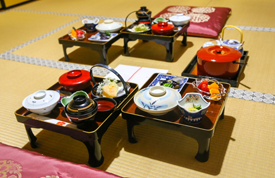
Shojin Ryori is the traditional vegetarian cuisine practiced by Buddhist monks in Japan. Rooted in Zen principles, it emphasizes simplicity, balance, and respect for all living things.
Meals are prepared without meat, fish, garlic, or onions — ingredients believed to cloud the mind. Instead, seasonal vegetables, tofu, seaweed, and fermented foods are combined in thoughtful ways that nourish both body and spirit. Nothing is wasted; even scraps are repurposed.
Kaiseki – From Temple Roots to Seasonal Art form
Building on the refined spirituality of Shojin Ryori, Kaiseki evolved into a multi-course culinary experience rooted in nature, aesthetics, and harmony. Originally served alongside the Japanese tea ceremony, Kaiseki has grown into a celebrated expression of seasonal elegance and artistic presentation.
Described by CNN as “the world’s finest meal,” Kaiseki showcases thoughtful pacing, locally sourced ingredients, and visual beauty. Each dish is designed not just for taste, but to reflect seasonal change and regional tradition.
- Sakizuke/Zensai: Appetizer to awaken the palate
- Suimono: Clear soup
- Hassun: Seasonal platter from land and sea
- Mukozuke/Otsukuri: Sashimi course
- Takiawase/Nimono: Simmered vegetables
- Futamono/Wanmono: Second soup in a lidded bowl
- Yakimono: Grilled dish
- Mushimono: Steamed dish
- Shiizakana: A rich dish paired with sake
- Gohan/Shokuji: Rice, pickles, and miso soup
- Mizumono/Mizugashi: Seasonal dessert
Traditionally, sake is served throughout the meal — but once rice is presented, drinking stops and tea is served. This final act honors the meal’s origins in Buddhist restraint and mindful conclusion.
Helpful Etiquette and Expressions
Japanese dining etiquette is rooted in respect, gratitude, and attention to shared space. Many gestures are subtle but deeply meaningful—and understanding them goes a long way in building trust and showing cultural awareness.
- Itadakimasu (いただきます): Said before eating, this phrase means “I humbly receive” and expresses gratitude for the meal, the chef, and the ingredients.
- Gochisō-sama deshita (ごちそうさまでした): Said after finishing, this expression thanks those who prepared the meal and shared in the experience.
- Chopstick protocol: Never stick chopsticks upright into rice, pass food from chopstick to chopstick, or use them to point—each has unintended meanings linked to funeral rites.
- No tipping: Tipping is not customary in Japan and may even be politely refused.
- Rice signals the end: When the rice course is served—especially in formal meals—it’s a cue that the sake should stop flowing and tea will soon follow.
These quiet rituals are more than manners—they’re part of the cultural fabric that defines hospitality in Japan.
HOME | SERVICES | CULTURAL INTELLIGENCE | EXPLORE CULTURES | INSIGHTS | ABOUT | CONTACT
Email Us | www.culturalsavvy.com | ©1999–2025 Cultural Savvy. All Rights Reserved. Terms of Use