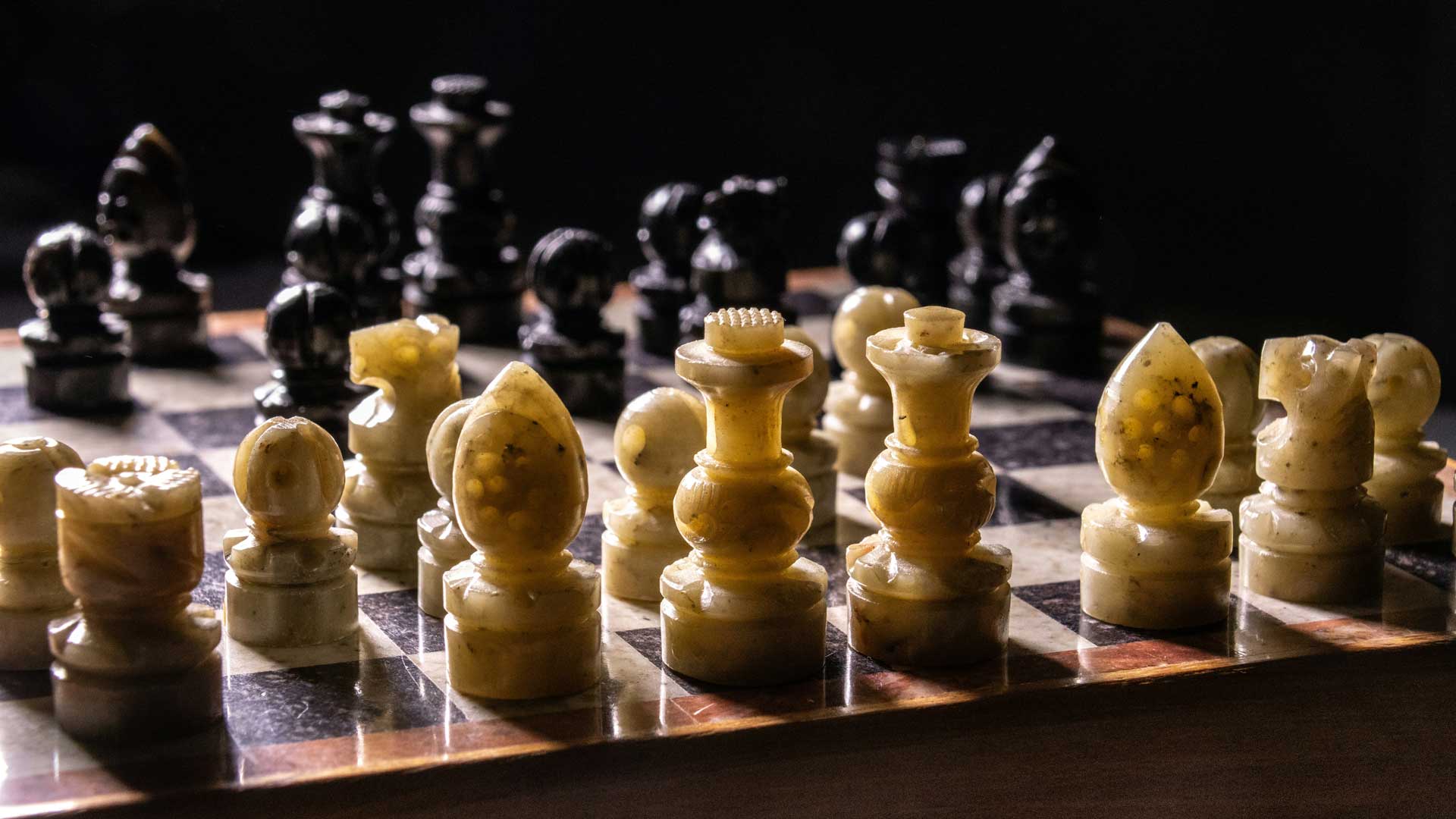
For thousands of years, before there were boardrooms, there were BOARDS.
Across civilizations separated by oceans and centuries, human beings sat down and played games.
They moved pieces, seeds, and stones across grids and hollows. They created games for play, ritual, teaching, and social bonding — simple human activities that brought people together.
Over generations, those games evolved. Their rules, rhythms, and patterns began to reflect the deeper values and assumptions of the cultures that shaped them.
People thought they were playing games, but they were actually building operating systems.
Long before formal management theories or strategic frameworks were written down, societies unconsciously encoded their worldview into wood, stone, and bone. A rule acted as an unwritten law, and a board became a spatial simulation of a civilization's deepest assumptions.
Depending on the culture, a game might mirror a rigid social hierarchy where individual roles are strictly defined by status, or it might reflect a communal focus on balance, harmony, and collective movement.
Some traditions treated the board as a theater for decisive confrontation, while others approached it as a landscape for patient endurance, relationship management, and long-term positioning.
Across this four-part series, we examine how four foundational boards engineered distinct operating systems that still drive modern leadership.
- Chess: Calculation and Linear Strategy
- Checkers: Speed and Structural Pressure
- Go: Encirclement and Territory
- Mancala: Cycles and Resource Flow
Four games.
Four operating systems.
Four ways people and organizations learned to think strategically — long before strategy had a name.